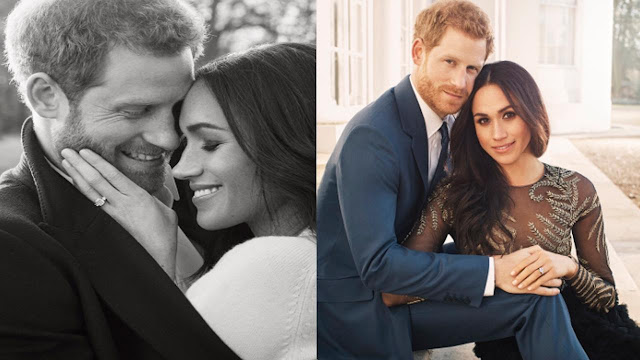
Worked with producer of Good Morning Britain commissioned for work with Prince Charles #HecticEpileptic
Thursday, 4 June 2026
Why Do 90% of “Viral” Posts Fail Before the Second Sentence?
Every day, millions of posts are published across LinkedIn, X, Facebook, Instagram, and TikTok. Most of them disappear without a trace.
Not because the ideas are bad.
Not because the creators lack expertise.
Not because the algorithms are unfair.
Most viral posts fail before the reader reaches the second sentence.
The reason is simple: attention is the most competitive marketplace in the world.
The Brutal Reality of the First Line
When someone scrolls through their feed, they are making split-second decisions.
Their brain is constantly asking:
Is this relevant to me?
Is this interesting?
Is this worth my time?
Should I keep scrolling?
If your opening line doesn't answer at least one of those questions, you've already lost.
The average user isn't reading your post. They're scanning it.
Before they invest attention, they need a reason to stop.
The Curse of the Generic Opening
Consider these openings:
"I wanted to share some thoughts about entrepreneurship today..."
"Marketing is very important for business success..."
"Artificial intelligence is changing the world..."
These statements aren't wrong.
They're just forgettable.
They don't create curiosity.
They don't challenge assumptions.
They don't promise value.
They don't make the reader feel anything.
And in a world where thousands of posts compete for attention every minute, forgettable equals invisible.
Viral Posts Trigger an Emotional Response Immediately
The highest-performing posts usually do one of five things within the first sentence:
1. Create Curiosity
"I spent $10,000 testing a marketing strategy everyone said would fail."
Now people want to know what happened.
2. Challenge Conventional Wisdom
"Most productivity advice is making you less productive."
Readers stop because the statement conflicts with what they believe.
3. Reveal a Surprising Result
"This one email generated more revenue than six months of social media content."
Unexpected outcomes attract attention.
4. Address a Pain Point
"If your posts get fewer than 100 views, you're probably making this mistake."
The audience immediately sees relevance.
5. Tell a Story
"Three years ago, I was rejected from 47 jobs."
Humans are wired to follow narratives.
The Second Sentence Has One Job
Once you've earned attention with the first sentence, the second sentence must deepen the curiosity.
Many creators make a fatal mistake.
They write a strong hook and then immediately explain everything.
Example:
"I made $100,000 from a single newsletter."
"Newsletters are an effective marketing tool because they allow direct communication with subscribers..."
The momentum disappears.
Instead, the second sentence should increase the tension:
"I made $100,000 from a single newsletter."
"The strange part? My email list had fewer than 2,000 subscribers."
Now the reader needs to continue.
Attention Is Earned, Not Given
Many people assume that viral content is about luck.
Luck can help.
But most successful posts follow predictable psychological principles:
Curiosity
Relevance
Surprise
Emotion
Storytelling
Specificity
These principles work because they align with how humans naturally process information.
People don't engage with content because it's accurate.
They engage because it's interesting.
The Hidden Problem: Writing for Yourself
Many posts fail because creators write what they want to say rather than what the audience wants to discover.
The creator thinks:
"I need to explain my idea."
The reader thinks:
"Why should I care?"
The gap between those two perspectives is where engagement dies.
The best writers start with the audience's curiosity and then deliver their message.
Not the other way around.
The Formula That Works
A simple framework is:
Hook → Curiosity → Value → Insight → Action
Example:
Hook: "I deleted 80% of my content and doubled engagement."
Curiosity: "The reason had nothing to do with quality."
Value: Explain the lesson.
Insight: Share the deeper principle.
Action: Give readers something practical to apply.
This structure keeps attention moving forward.
Final Thoughts
Most posts don't fail because they're poorly researched.
They fail because they never earn the reader's attention.
In today's digital world, your first sentence is not an introduction.
It's an audition.
If it doesn't create curiosity, challenge assumptions, spark emotion, or promise value, readers will never reach the second sentence.
And if they never reach the second sentence, your brilliant idea might as well not exist.
Before publishing your next post, ask yourself one question:
Would I stop scrolling for this first sentence if someone else wrote it?
If the answer is no, rewrite it until it becomes impossible to ignore.
Fashion Accelerator hubs globally
Why It Matters:
These hubs build resilient, market-focused brands with global potential.
What Makes a Great Fashion Accelerator Hub?
Fashion accelerator hubs are more than co-working spaces. They are ecosystems of growth that offer:
✅ Mentorship from industry leaders
✅ Capital access and investment matchmaking
✅ Business development training
✅ International market connections
✅ Tech & sustainability resources
✅ Community support and visibility
South Korea’s hyper-connected market fuels fashion innovation unlike anywhere else.
Key Programs:
Seoul Fashion Week Support Programs: Mentorship, retail partnerships, and digital promotion.
Startup Campus + Fashion Tech Initiatives: Focus on AI, AR/VR fashion experiences.
Why It Matters:
Seoul blends pop culture, digital innovation, and trendsetting youth culture, making it a hotbed for impactful fashion startups.
9. São Paulo, Brazil — Latin America’s Creative Pulse
São Paulo’s fashion ecosystem thrives on vibrant street style and cultural fusion.
Key Programs:
Fomentta Fashion Accelerator: Offers funding and mentorship for Brazilian designers.
SPFW + Innovation Hub: Connects local startups with global markets.
Why It Matters:
São Paulo brings regional diversity and creative energy to the global fashion conversation.
10. Melbourne & Sydney, Australia — Design Meets Sustainability
Australian hubs emphasize ethical fashion and market readiness.
Key Programs:
RMIT Fashion & Textiles Accelerator: Combines design thinking with business strategy.
Fashion Startups Australia Network: Connects communities and investors.
Aura
The first time it happened, Elias thought the world was ending in watercolor.
He was sixteen, hunched over a notebook filled with half-finished proofs, when the numbers on the page began to shimmer.
The clean black ink softened, then bled into color—deep blues pooling beneath integrals, sharp streaks of gold slicing through fractions, a sudden bloom of crimson where variables collided. His pencil slipped from his fingers.
He didn’t remember falling.tumbling
Years later, in a quiet university office that smelled faintly of chalk and old
books, Elias would learn to recognize the warning signs:
the slight tilt in reality, the hum beneath silence, the way light thickened at the edges of his vision.
The doctors called them auras, precursors to his seizures. Clinical. Manageable. Measurable.
But they never mentioned the colors.
To Elias, equations were never just symbols. During those brief, fragile moments before a seizure took him, mathematics became something else entirely—alive, luminous, almost… musical.
A differential equation wasn’t a problem to solve; it was a cascade of violet and silver, folding into itself. Prime numbers flickered like isolated sparks—lonely, stubborn points of white fire.
He began to write them down. Not the
equations themselves—those he already knew—but the colors.
His colleagues thought it was a coping mechanism.
“Synesthesia, maybe?” one suggested gently, peering at his notebooks filled with strange annotations: ∫ → indigo gradient, π → soft gold pulse, e^x → green spiral, expanding.
Elias nodded, because it was easier than explaining that the colors only came when something was about to break.
Because during an aura, time stretched.
In those stretched seconds, he could see relationships he couldn’t otherwise grasp
.
Proofs unfolded not step by step, but all at once—like watching a painting complete itself in a single breath. Where others saw complexity, he saw harmony: colors aligning, clashing, resolving.
And then, inevitably, darkness.
The breakthrough came on an ordinary Tuesday.
He had been wrestling for months with a stubborn problem—one that resisted every conventional approach. His notes were a battlefield of failed attempts.
That afternoon, as rain tapped softly against the window, the familiar hum returned.
“Not now,” he muttered.
But the colors were already bleeding in.
The equation on the board dissolved into motion.
Lines curved where they shouldn’t. Terms that had always seemed separate began to glow the same shade of blue—deep, resonant, undeniable. A hidden symmetry pulsed beneath the surface, as clear to him as a melody.
He reached for the chalk with trembling hands.
Working quickly—faster than thought, guided by color rather than logic—he rewrote the equation, reshaping it, aligning the pieces the way the hues demanded. Gold met blue. Green spiraled inward. The chaos resolved into something startlingly simple.
For one suspended moment, everything was perfectly, impossibly clear.
Then the chalk snapped in his fingers.
He woke on the floor, cheek pressed against cool tile, voices echoing somewhere far away.
“Elias? Can you hear me?”
He blinked. The world had returned to its usual grayscale.
But the board—
He sat up too quickly, ignoring the dizziness, and turned.
The proof was still there.
Messy.
Unconventional. But complete.
Weeks later, the paper was published. His colleagues called it elegant, unexpected, even brilliant. Reviewers praised the “intuitive leap” that tied the entire argument together.
No one asked about the colors.
Elias stood alone in his office one evening, staring at the framed copy on the wall. He should have felt proud. Instead, he felt a quiet unease.
Because he couldn’t reproduce it.
Without the aura, the pathway that had seemed so obvious was gone—like trying to recall a dream that dissolved upon waking.
He understood the result, yes. He could follow the steps. But the vision—the living structure behind it—remained just out of reach.
He picked up his notebook and flipped to a blank page.
For a long moment, nothing happened.
Then, faintly, at the edge of perception, a shimmer.
A whisper of color.
He closed his eyes.
Perhaps, he thought, his mind wasn’t betraying him.
Perhaps it was speaking in a language he had only just begun to learn—a language of light and pattern, of color and form, where mathematics wasn’t written, but seen.
Where truth didn’t emerge from logic alone, but from something stranger, more fragile.
Something that arrived, briefly and brilliantly—
just before everything went dark.
Wednesday, 3 June 2026
Patterns story by Otatade Okojie
They met because of a pattern no one else noticed.
Not at first.
Dr. Mira Sen had spent most of her life chasing a question that began in childhood.
Her younger brother used to freeze mid-sentence—eyes distant, body still, as if someone had pressed pause on him. Adults called it epilepsy. Mira called it a mystery.
While other children collected toys, she collected observations: how long it lasted, what he felt before, what he forgot after. She drew diagrams in crayon—circles and zigzags she didn’t yet know were crude brain maps.
Years later, she became a neuroscientist. Not because she wanted answers—but because she never stopped needing them.
Across the ocean, Leon Kovač didn’t care much for biology.
Physics was cleaner. Predictable. Elegant.
At nineteen, he was already known for solving problems professors avoided assigning. But one afternoon, bored and curious, he wandered into a lab analyzing EEG data—brainwave recordings full of jagged, restless lines.
“They look like noise,” someone said.
Leon disagreed.
Noise, to him, was just undiscovered structure.
He spent nights feeding the signals into models meant for cosmic radiation analysis. And then he saw it—a repeating anomaly buried beneath the chaos. Not random. Not quite periodic. Something in between.
A signal before the storm.
In a cramped dorm room lit by the glow of two mismatched monitors, Aisha Rahman was building something she wasn’t sure would work.
Her roommate had epilepsy. The unpredictability terrified her more than the seizures themselves.
“What if we could know ahead of time?” Aisha wondered aloud one night.
So she built an AI.
It started simple—pattern recognition, basic datasets. But as she trained it, something strange happened. Hours before recorded seizures, the model flagged subtle shifts—barely detectable changes in neural rhythms.
She didn’t trust it at first.
Then it predicted three events in a row.
Meanwhile, in a co-working space filled with empty coffee cups and tangled wires, Mateo Alvarez had a different frustration.
“Why is all of this locked behind paywalls?” he muttered.
Epilepsy tracking apps existed—but they were clunky, expensive, or closed systems. People couldn’t access their own data freely.
So Mateo built his own.
Open-source. Clean. Transparent.
A platform where patients could log seizures, triggers, medication, sleep—everything. More importantly, they could own their data. Share it. Study it. Contribute to something larger.
Within months, a small but passionate community began to grow.
And then there was Lina.
Sixteen. Quiet. Relentlessly inventive.
Her older sister had tonic-clonic seizures that came without warning. Lina hated the waiting—the constant edge of “what if.”
So she built something.
Using spare parts—an old smartwatch, a motion sensor, a salvaged microcontroller—she designed a bracelet that detected sudden, abnormal movements and sent alerts to a phone.
It wasn’t perfect. It missed things. It overreacted sometimes.
But the first time it worked—when help arrived faster than ever before—Lina realized imperfect didn’t mean useless.
They came together because Mateo’s platform connected them.
Mira uploaded anonymized clinical data. Leon downloaded it, curious. Aisha fed it into her AI. Lina tested her bracelet against it. Mateo kept the system running.
At first, it was just collaboration.
Then it became something else.
Leon was the first to speak up.
“There’s a pattern,” he said during a late-night video call. “Not just before seizures—hours before. It’s subtle, but consistent.”
Aisha leaned forward. “My model’s been flagging that too.”
Mira’s eyes narrowed, sharp with recognition. “Pre-ictal states… we’ve always known they exist. But this early? That changes everything.”
Lina held up her bracelet. “If we can detect it sooner, I can make this smarter.”
Mateo grinned. “And we can push it to everyone. No barriers.”
They worked like that—across time zones, disciplines, and motivations.
Mira brought clinical rigor.
Leon brought pattern recognition no one else could see.
Aisha refined the AI until it felt almost intuitive.
Mateo made sure the world could access it.
Lina turned it into something you could wear, hold, trust.
Weeks blurred into months.
Failures stacked up. So did breakthroughs.
The moment came quietly.
Aisha’s model flagged a high-risk alert for a user who had agreed to test the system. Lina’s updated bracelet confirmed abnormal signals. Mateo’s platform sent the notification.
Three hours later, the seizure came.
But this time, the person wasn’t alone.
They were lying down. Safe. Prepared. Someone was already there.
No headlines followed.
No sudden revolution.
Just messages.
“Thank you.”
“This helped.”
“I felt it coming—but now I knew.”
One evening, they gathered in person for the first time.
No presentations. No press.
Just five people in a small room, surrounded by screens and prototypes and half-finished ideas.
Mira looked around at them—this improbable convergence of curiosity, talent, and lived experience.
“My brother would’ve loved this,” she said softly.
Leon nodded. “We didn’t cure it.”
“No,” Aisha agreed. “But we changed the rules.”
Mateo leaned back. “And we made it open. That matters.”
Lina smiled, tapping the bracelet on her wrist. “We made it real.”
The pattern that brought them together wasn’t just in the data.
It was in them.
A shared thread—curiosity shaped by experience, transformed into something larger than any one of them could build alone.
And for the first time, the future of epilepsy didn’t feel like waiting in the dark.
It felt like a signal—faint at first, but growing clearer—
if you knew how to look.
The Guest short Story
The rain arrived just after midnight.
It tapped softly against the bedroom window, as though a thousand tiny fingers were asking to be let inside.
Diana Warren lay awake, listening.
Beside her, Jacob Dean scrolled through his phone, the pale glow painting silver shadows across his face.
"He's outside," Jacob said.
Diana smiled nervously.
The stranger from Trix.
For three weeks they had exchanged messages.
For three weeks he had seemed charming, thoughtful, almost lonely.
Tonight they had decided to meet.
A harmless adventure.
A story to laugh about later.
At least, that was what they thought.
Jacob opened the front door.
The stranger stepped inside.
The first thing Diana noticed was his eyes.
Not their colour.
Their stillness.
Most people carried movement inside them—hope, worry, excitement.
This man's eyes were empty rooms.
"Nice place," he said.
His smile arrived a second too late.
Something cold crawled through Diana's stomach.
Outside, thunder rolled across the sky.
Inside, nobody spoke.
The silence lingered too long.
Then the stranger laughed.
The moment broke.
Or seemed to.
An hour later they sat together in the bedroom, talking.
Rain streamed down the glass.
Streetlights blurred into golden ghosts.
The stranger sat in a chair near the window.
Jacob sat beside Diana.
Everything appeared normal.
Yet Diana could not shake the feeling that something was wrong.
Not visibly wrong.
The way a dream feels wrong before the nightmare begins.
The stranger's gaze drifted around the room.
Photographs.
Bookshelves.
The locked wardrobe.
The bedroom door.
Always observing.
Always measuring.
Then he asked a question.
"Do you ever worry about who you let into your home?"
Jacob laughed.
Diana didn't.
The stranger smiled.
And reached inside his jacket.
The gun appeared so suddenly that Diana's mind refused to understand what she was seeing.
A black shape.
Cold metal.
Impossible.
The room froze.
Rain struck the window harder.
Jacob's face drained of colour.
Nobody moved.
Nobody breathed.
The stranger stood.
The chair scraped backwards.
"You both made a mistake," he said quietly.
The words seemed louder than thunder.
Diana felt her pulse hammering in her ears.
"What do you want?" Jacob whispered.
The stranger tilted his head.
For a moment he looked genuinely curious.
"What everyone wants," he said.
"Control."
The gun remained steady.
His hand never shook.
That frightened Diana more than the weapon itself.
This was not panic.
Not anger.
Not desperation.
It was certainty.
The certainty of a man who had rehearsed this moment many times.
The certainty of a man who knew exactly who he was.
And exactly what he was capable of.
Hours crawled by.
Questions.
Threats.
Silences.
The stranger paced the room while the storm raged outside.
Sometimes he spoke.
Sometimes he simply watched.
The watching was worse.
Diana learned something that night.
Fear has a sound.
It sounds like a clock ticking.
Like rain striking glass.
Like the breath of someone you love sitting beside you, trying not to cry.
At three in the morning, the stranger wandered toward the window.
For the first time, his attention shifted.
Only briefly.
Only a few seconds.
But Diana saw it.
So did Jacob.
A glance passed between them.
A silent conversation.
A desperate possibility.
Hope.
The most dangerous thing in the room.
Jacob slowly moved his hand.
The stranger turned.
Too late.
A lamp crashed to the floor.
Darkness exploded across the bedroom.
Shouts.
Footsteps.
Thunder.
The stranger disappeared into the blackness.
Diana could hear him somewhere.
Close.
Very close.
The gun.
Where was the gun?
A crash echoed from the hallway.
Then another.
Then silence.
Terrible silence.
Diana gripped Jacob's hand.
Neither dared move.
Neither dared breathe.
Minutes passed.
Or hours.
Neither could tell.
At last police sirens wailed in the distance.
Growing louder.
Closer.
Closer.
The front door burst open.
Voices flooded the house.
Lights flashed across the walls.
The nightmare was ending.
Or so they believed.
The officers searched every room.
Every cupboard.
Every corner.
But the stranger was gone.
Vanished.
As though the storm itself had swallowed him whole.
Later, after sunrise, Diana sat wrapped in a blanket while detectives asked questions.
One officer spoke quietly to another.
Diana overheard only a few words.
Enough.
More than enough.
The stranger's face had appeared in several investigations.
Several cities.
Several disappearances.
A suspected serial killer.
A man who moved from life to life like a shadow.
A man who left almost nothing behind.
Except fear.
Weeks later, Diana often found herself staring at the bedroom window whenever rain began to fall.
Listening.
Remembering.
Wondering.
Because one detail haunted her more than anything else.
When the police searched the room, they discovered something written on the fogged glass.
A message traced by a fingertip.
A message nobody had seen him write.
Three simple words.
Not goodbye.
Not thank you.
Not sorry.
I'll return soon.
And every time thunder rolled across the night sky, Diana wondered the same thing.
Was it a promise?
Or a warning?
Stolen Kisses Epilepsy Story
The night smelled of rain and antiseptic.
Beyond the hospital windows, the city glimmered beneath a veil of mist, its lights trembling like distant stars struggling to stay awake.
Nurse Emily Hart had always loved the night shift.
The darkness softened things.
Pain.
Loneliness.
Fear.
At least, that was what she told herself.
At three minutes past midnight, the emergency alarms shattered the silence.
A man was wheeled through the doors.
No pulse.
No breath.
No time.
The trauma team rushed around him like a storm.
Machines screamed.
Doctors shouted.
Footsteps thundered across polished floors.
Emily moved through the chaos with practiced precision.
"Charging."
The defibrillator whined.
"Clear."
The man's body jolted.
Nothing.
The monitor remained a flat line.
A silent horizon.
A dead sea.
The doctor glanced at the clock.
Emily knew that look.
The look that measured hope.
The look that counted seconds.
The look that asked whether it was time to let go.
Not yet.
Please, not yet.
"Again."
The paddles pressed against the man's chest.
"Clear."
The shock surged through him.
His body arched.
The monitor flickered.
One heartbeat.
Then another.
Then another.
A rhythm.
Weak.
Fragile.
Beautiful.
The room exhaled.
Life had returned.
Emily closed her eyes briefly.
Relief flooded through her.
The man had crossed the edge of death and somehow found his way back.
His name, she later learned, was Daniel Reed.
Forty-two.
Schoolteacher.
Divorced.
No children.
A life interrupted.
A story not yet finished.
Over the following weeks, Emily became one of his primary nurses.
Daniel recovered slowly.
The way winter becomes spring.
One cautious day at a time.
At first, their conversations were brief.
A few words.
A few smiles.
Nothing more.
Then came longer talks.
Books.
Music.
Childhood memories.
Favourite places.
Dreams abandoned.
Dreams rediscovered.
Daniel often joked that she had stolen him from death.
Emily always laughed.
"You did the hard part," she'd say.
"You decided to stay."
Yet there was something she never told him.
Something she hid behind her smiles.
Behind her calm voice.
Behind the confidence of her uniform.
Emily had epilepsy.
Most days it was manageable.
Medication.
Routine.
Care.
But epilepsy was like a shadow.
Quiet.
Patient.
Always waiting.
And some shadows never completely disappear.
One evening, nearly two months after Daniel's arrival, he sat by the hospital garden while Emily finished her shift.
The sunset painted the sky with gold and rose.
For the first time, they were not nurse and patient.
Just two people sharing the same fading light.
"You saved my life," Daniel said softly.
Emily smiled.
"I helped."
"No."
His eyes met hers.
"You saved it."
Something passed between them.
Something neither named.
Something fragile.
Like a bird deciding whether to land.
Then Daniel leaned forward.
Their first kiss was brief.
Gentle.
A stolen moment between heartbeats.
Emily laughed afterwards.
Nervous.
Happy.
Alive.
She didn't know it would be the last thing she remembered.
The warning arrived minutes later.
A shimmer.
A flash of silver light.
Tiny sparks dancing at the edge of her vision.
Her stomach tightened.
No.
Not now.
Please.
Not now.
Daniel noticed her expression change.
"Emily?"
She stood too quickly.
The world tilted.
Colours brightened unnaturally.
The garden lights stretched into glowing ribbons.
Fear rose inside her.
Cold.
Sharp.
Familiar.
"Daniel..."
The word barely escaped her lips.
The aura was worsening.
Much faster than usual.
Her hands trembled.
Her knees weakened.
Daniel was already beside her.
"What is it?"
She tried to answer.
Tried to explain.
But the seizure arrived first.
The ground rushed upward.
Darkness swallowed the sky.
And then everything disappeared.
---
Voices.
Running feet.
Alarms.
Someone calling her name.
Again.
And again.
And again.
But she could not answer.
The seizure would not stop.
One minute.
Two.
Five.
Then another.
And another.
Status epilepticus.
The dangerous words echoed through the emergency department.
Now she was the patient.
Now she was the emergency.
Now she was the one people were fighting to save.
Doctors rushed around her.
The same doctors she worked beside every day.
Medications.
Oxygen.
Monitors.
Urgency.
Fear.
The battle continued long into the night.
Somewhere beyond the darkness, someone refused to leave.
Someone remained beside her bed.
Hour after hour.
Morning arrived.
Then afternoon.
Then another night.
Still he remained.
---
When Emily finally opened her eyes, sunlight filled the room.
For several moments she simply stared at the ceiling.
Confused.
Exhausted.
Alive.
A chair sat beside the bed.
Someone slept there.
Head resting awkwardly.
Hand still holding hers.
Daniel.
Her fingers moved.
His eyes opened instantly.
Relief flooded his face.
Neither spoke.
Neither needed to.
Tears gathered in Emily's eyes.
"You stayed."
Daniel smiled.
The kind of smile that comes from surviving a storm.
"You stood by me when my heart stopped."
His voice trembled.
"Did you really think I'd leave when yours needed help?"
Emily laughed through her tears.
Outside, sunlight spilled across the hospital garden.
Inside, silence settled around them.
Comfortable silence.
Safe silence.
Daniel lifted her hand gently and pressed his lips against her knuckles.
A second stolen kiss.
Not desperate.
Not uncertain.
A promise.
Months later, when Emily was strong enough to return to work, she often thought about life and how quickly it could change.
One day you are saving someone.
The next day someone is saving you.
One day you are the healer.
The next day you are the one being healed.
Love, she discovered, was not finding someone who stood beside you when the world was bright.
Love was finding someone who remained when the lights flickered.
Someone who stayed when the storm arrived.
Someone who saw your worst moment and chose not to look away.
And whenever Daniel kissed her, Emily remembered the night they had both been rescued.
The night death reached for them both and failed.
The night two fragile hearts learned that sometimes the greatest miracles are not the lives we save.
But the people who stay.
The Fix short Story
The first seizure came when Dr. Amara Ndlovu was twelve years old.
She remembered the sunlight.
The laughter of children.
The smell of rain on dry earth.
Then the strange silver lights dancing at the edge of her vision.
The world had folded inward.
Darkness followed.
When she woke, her mother was crying.
Her father was praying.
And her life had changed forever.
Years later, epilepsy became something she carried quietly.
Like a hidden scar.
Like a storm cloud on a distant horizon.
Most days were ordinary.
Medication.
Routine.
Discipline.
Hope.
Most days, she forgot the storm was there.
Then she discovered something that would change everything.
Something far more dangerous than epilepsy.
Far more dangerous than illness.
Hope.
It began in a remote village deep within Africa, where red earth stretched toward distant mountains and ancient healers spoke of plants known only to the land.
Amara was a virologist.
A scientist.
A woman who trusted evidence above stories.
But sometimes stories hide evidence within them.
Three years of research followed.
Three years of experiments.
Three years of failure.
Then one rainy evening, staring at laboratory results glowing on a computer screen, she stopped breathing.
The data was impossible.
She checked it again.
Then again.
Then a fourth time.
The numbers remained unchanged.
Her treatment worked.
Not perfectly.
Not completely.
But enough to transform lives.
Enough to shake the foundations of everything people believed possible.
Enough to make powerful people nervous.
Amara should have stayed quiet.
Instead, she shared her preliminary findings with government officials.
She thought they would celebrate.
She thought they would help.
She thought science belonged to everyone.
She was wrong.
The first warning arrived as silence.
Funding disappeared.
Meetings were cancelled.
Emails went unanswered.
The second warning arrived in a black car parked outside her apartment.
The engine remained running for six hours.
The third warning arrived one night while she was walking home.
Footsteps.
Not close enough to confront.
Not far enough to ignore.
Always behind her.
Always matching her pace.
The fear settled inside her like ice.
Then came the seizures.
Stress had always been her enemy.
Fear made them worse.
One evening, while reviewing research files, silver sparks flickered across her vision.
Her stomach tightened.
No.
Not now.
Please.
Not now.
The aura spread.
Bright fragments of light shattered across her sight.
Her hands began to tremble.
She reached for her medication.
Too late.
The seizure struck like lightning.
The laboratory floor rushed upward.
Darkness swallowed everything.
---
When Amara awoke, she was in a hospital bed.
An IV dripped steadily beside her.
A nurse adjusted a monitor.
"You were lucky," the nurse said gently.
Amara closed her eyes.
Lucky.
The word felt strange.
Because she no longer believed in luck.
Not after discovering what she had discovered.
Not after realizing people were watching.
The next morning, a colleague visited.
His face was pale.
Terrified.
"They searched the lab."
Amara sat upright.
"What?"
"They took files."
Fear surged through her.
"What files?"
His silence answered everything.
The room suddenly felt smaller.
The walls closer.
The air thinner.
The storm was no longer approaching.
The storm had arrived.
That night she fled.
Research notes hidden in encrypted drives.
Backup files concealed in places only she knew.
Years of work reduced to a backpack and a secret.
For months she moved through cities like a ghost.
Changing hotels.
Changing names.
Never staying long.
The seizures became more frequent.
Sleep disappeared.
Stress multiplied.
The burden grew heavier.
One evening in Lisbon, she collapsed in a railway station.
Another seizure.
Another ambulance.
Another hospital.
When she woke, she found an elderly doctor sitting beside her bed.
"You cannot save the world if you destroy yourself first," he said.
Amara laughed weakly.
"You sound like my mother."
The doctor smiled.
"Then your mother was wise."
For a moment, she considered giving up.
The fight seemed endless.
The fear relentless.
The seizures unforgiving.
Perhaps the secret was too large for one person to carry.
Then the doctor handed her a photograph.
A child.
Smiling.
Healthy.
Alive.
"A patient," he explained.
"He benefited from your research."
Amara stared at the picture.
The smile.
The bright eyes.
The future contained within them.
Suddenly she remembered why she started.
Not for recognition.
Not for money.
Not for fame.
For people.
Always for people.
Tears filled her eyes.
The doctor stood.
"Rest."
After he left, Amara gazed through the hospital window.
The city lights shimmered below.
For a moment they resembled the silver flashes that appeared before her seizures.
The same lights.
Yet somehow different.
One warned of darkness.
The other promised dawn.
Outside, rain began to fall.
Softly.
Gently.
Like whispered encouragement.
Her phone vibrated.
An unknown message.
No name.
No number.
Only five words.
They know where you are.
Amara's heart stopped.
She looked toward the door.
The corridor beyond remained silent.
Empty.
Still.
But somewhere in the hospital, footsteps echoed.
Approaching.
Slowly.
Patiently.
The storm had found her again.
Amara slipped the encrypted drive beneath her blanket.
Her hands trembled.
Whether from fear or epilepsy, she could not tell.
Perhaps both.
Beyond the door, a shadow paused.
The handle moved.
Just slightly.
Then stopped.
Amara held her breath.
The rain struck the window harder.
The lights flickered once.
Twice.
And in the reflection of the glass, she thought she saw someone watching.
Waiting.
The handle began to turn.
And the night was only beginning.
Head Funk Short story
People paid rent to live inside Audrey Bristle's head.
Not metaphorically.
Literally.
At least, that was how Audrey liked to explain it.
Inside her mind stood an enormous city.
A sprawling landscape of ideas, inventions, equations, unfinished symphonies, impossible machines, and half-forgotten dreams.
Scientists rented laboratory space there.
Writers leased tiny apartments overlooking rivers of stories.
Inventors occupied entire districts.
Musicians floated in penthouses suspended above clouds of melody.
Every month they paid handsomely for access.
And every month Audrey paid the mortgage on the crooked old house her mother had left her.
It was an unusual arrangement.
But then Audrey Bristle had always been unusual.
At fourteen she solved problems university professors couldn't understand.
At twenty she designed an engine that worked backwards and somehow became more efficient.
At twenty-eight she was widely regarded as one of the greatest minds alive.
People called her a genius.
Audrey hated the word.
Genius sounded finished.
She preferred curious.
Then came the accident.
And curiosity abandoned her.
It happened on a Tuesday.
The sort of Tuesday nobody remembers.
The sky was grey.
The kettle was boiling.
The radio was playing softly.
Then lightning struck.
Not outside.
Inside.
A freak electrical surge raced through her experimental neural interface.
The machine exploded.
The room flashed white.
And the city inside Audrey's mind vanished.
Gone.
Every laboratory.
Every apartment.
Every invention.
Every brilliant thought.
Evicted.
The next morning she stared at a spoon for twenty minutes trying to remember its purpose.
The spoon won.
Three weeks later the first notices arrived.
FINAL REMINDER.
PAYMENT OVERDUE.
MORTGAGE ARREARS.
The words felt like stones.
Her mother had loved that house.
Every crooked floorboard.
Every rattling window.
Every rose bush in the garden.
The thought of losing it hurt more than the loss of her genius.
The genius had lived in her head.
The house contained her heart.
One rainy evening Audrey sat in the kitchen staring at unpaid bills.
Thunder rolled across the sky.
The old clock ticked loudly.
For the first time in her life, she had absolutely no idea what to do.
Then something strange happened.
A droplet of tea fell onto the table.
She watched it spread.
Watched it divide.
Watched tiny rivers form patterns.
Most people would have ignored it.
Audrey couldn't.
Even without her genius, she remained curious.
The patterns reminded her of roads.
The roads reminded her of maps.
The maps reminded her of games.
Three hours later she had covered the kitchen walls with sketches.
Not genius sketches.
Messy sketches.
Ordinary sketches.
But they led somewhere.
The next morning she walked into town carrying a cardboard box.
Inside were handmade puzzle maps.
Simple things.
Tiny adventures.
Children loved them.
Then adults started buying them.
Then schools.
Then companies.
Then tourists.
Soon Audrey's strange puzzle maps appeared everywhere.
People spent hours solving them.
Entire weekends exploring them.
The puzzles spread online.
Across cities.
Across countries.
Across oceans.
The woman who had forgotten how to be a genius accidentally became famous for being imaginative.
Which, she discovered, was something entirely different.
Money began arriving again.
Slowly at first.
Then faster.
The mortgage notices stopped.
The bills disappeared.
The old house survived.
Yet something still troubled her.
One evening, months after the accident, Audrey dreamed of her lost city.
The laboratories stood empty.
The apartments abandoned.
The streets silent.
Dust drifted through forgotten ideas.
As she wandered those empty avenues, she heard laughter.
Faint.
Distant.
Growing closer.
A door opened.
Then another.
Then another.
The tenants were returning.
Not all at once.
One by one.
An inventor carrying blueprints.
A writer holding unfinished stories.
A musician humming forgotten melodies.
The city wasn't dead.
It was rebuilding.
Different.
Smaller.
Slower.
But alive.
When Audrey awoke, sunlight poured through the curtains.
The house creaked gently around her.
For the first time since the accident, she smiled.
Perhaps genius had never been the point.
Perhaps the real miracle wasn't having extraordinary ideas.
Perhaps it was finding a way forward when they disappeared.
That afternoon she walked through the garden her mother had loved.
Roses swayed in the breeze.
Bees wandered lazily between blossoms.
Life continued.
Not because it was perfect.
Because it adapted.
And somewhere deep inside her mind, beyond memory and loss, beyond fear and uncertainty, Audrey imagined she could hear hammers.
Construction.
Movement.
The sound of new tenants arriving.
The city inside her head was open for business again.
Not the old city.
Something stranger.
Something wilder.
Something built from improvisation rather than brilliance.
And as the wind rustled through the roses, Audrey Bristle laughed.
After all, if people were going to pay rent to live in her head, she'd better give them something interesting to look at.
Cheddar short story
Hope Walker had a habit of mistaking luck for love.
The two felt remarkably similar at first.
Both arrived unexpectedly.
Both made her heart race.
Both convinced her tomorrow would be different.
The slot machines knew this.
The bookmakers knew this.
The casinos knew this.
And over the years, they had taken everything she was willing to lose.
Then everything she wasn't.
By thirty-three, Hope possessed exactly three things.
Debt.
Regret.
And an extraordinary talent for believing the next bet would change her life.
It never did.
Until she met James Everett.
The first time she saw him, he was sitting alone in a café on a rainy afternoon.
Outside, the city dissolved beneath silver curtains of rain.
Inside, James looked as though he belonged somewhere else entirely.
Calm.
Elegant.
Untouched by worry.
The kind of man who made certainty seem fashionable.
Hope noticed the money first.
Not because she was greedy.
Because she was desperate.
A fifty-pound note lay on the table.
James folded it once.
Twice.
Then unfolded it.
Now there were two.
Identical.
Perfect.
Hope blinked.
She rubbed her eyes.
The two notes remained.
James smiled.
"Magic?" she asked.
"No."
"Fraud?"
"Closer."
"What is it then?"
James leaned forward.
"A secret."
Some secrets open doors.
Others swallow people whole.
Hope followed him anyway.
Within weeks her life transformed.
James seemed capable of creating wealth from thin air.
Money multiplied around him like sunlight through mirrors.
Luxury apartments.
Private jets.
Fine restaurants.
Endless possibilities.
The poverty that had haunted Hope for years vanished almost overnight.
For the first time in her life she stopped checking bank balances.
Stopped counting pennies.
Stopped fearing tomorrow.
She began to dream again.
Not small dreams.
Huge ones.
Dangerous ones.
Dreams she had buried long ago.
A house beside the sea.
A family.
Peace.
Love.
Especially love.
Because somewhere between the expensive dinners and midnight conversations, she stopped caring about the money.
She started caring about James.
That was her mistake.
One evening, months later, they stood on a balcony overlooking Monaco.
The sea shimmered beneath moonlight.
Champagne sparkled in crystal glasses.
The world seemed perfect.
Then Hope asked a simple question.
"Where does it all come from?"
James went silent.
The smile disappeared.
For the first time, she saw something unfamiliar in his eyes.
Fear.
Not fear of losing money.
Fear of losing the story.
The illusion.
The lie.
Three days later he vanished.
No goodbye.
No explanation.
No note.
Nothing.
His apartment was empty.
His accounts were frozen.
His businesses had disappeared.
Every luxury had evaporated like mist beneath sunlight.
Then the news broke.
The headlines spread across every screen on Earth.
JAMES EVERETT: THE MAN WHO CONNED THE WORLD.
The fortune had never existed.
The investments were illusions.
The wealth was borrowed, manipulated, fabricated.
An empire built from deception.
Governments investigated.
Banks collapsed.
Investors panicked.
Millions discovered they had been living inside a dream.
Hope included.
The money disappeared.
The apartment disappeared.
The future she imagined disappeared.
Everything vanished.
Everything except a single envelope left inside her mailbox.
Inside was a handwritten letter.
Only one sentence.
You wanted more than money. Find it.
No signature.
No explanation.
No James.
At first she hated him.
Then she missed him.
Then she hated herself for missing him.
Weeks passed.
Months.
Life became smaller again.
Quieter.
Real.
One morning Hope found herself walking along a windswept beach.
Grey waves rolled endlessly toward shore.
Children chased seagulls.
Dogs barked at the tide.
Ordinary life unfolded all around her.
Nobody there cared about fortunes.
Nobody cared about James Everett.
Nobody cared about impossible wealth.
And suddenly Hope realised something.
She had spent years chasing money.
Then she spent months chasing a man who seemed to have conquered money.
Yet neither pursuit had given her what she truly wanted.
She wanted connection.
Purpose.
Belonging.
Someone who stayed.
Money could purchase comfort.
It could purchase distraction.
But it could not purchase meaning.
That had to be earned elsewhere.
The wind carried salt across her face.
For the first time in years, she felt free.
Not rich.
Not lucky.
Free.
As she turned to leave, she noticed something half-buried in the sand.
A folded piece of paper.
Inside was a single fifty-pound note.
And beneath it, written in familiar handwriting:
The real trick was never making money appear.
It was making people believe it mattered.
Hope laughed.
Then she folded the note and tucked it into her pocket.
Not as treasure.
Not as temptation.
As a reminder.
Some people spend their lives searching for cheddar.
Others spend their lives searching for love.
The fortunate ones eventually discover they are not the same thing.
And as the waves whispered against the shore, Hope walked toward a future no longer measured by what she possessed.
But by what she had finally learned to value.
Shrinking Violet short story
Patricia Bell spent most of her life trying not to be noticed.
She sat in the back row of classrooms.
Walked along the edges of playgrounds.
Lowered her hand even when she knew the answer.
At fourteen, she had perfected the art of disappearing.
Not literally.
Just enough that people looked through her instead of at her.
Her mother called her a shrinking violet.
Patricia didn't mind.
Violets were beautiful.
Even if nobody stopped to admire them.
Then the circus came to town.
It arrived one windy Thursday afternoon.
Colour exploded across the empty field beyond the railway station.
Red tents.
Golden flags.
Caravans painted with moons and stars.
Music drifted through the air like laughter.
The whole town seemed to wake from a long sleep.
Patricia watched from a distance.
As usual.
Watching was safer than joining.
Then she saw her.
A girl balancing barefoot along the top of a caravan.
Arms spread wide.
Hair silver-blonde beneath the afternoon sun.
Fearless.
Impossible.
She looked less like a person and more like a secret the sky had decided to share.
The girl jumped down effortlessly and landed directly in front of Patricia.
"You've been staring."
Patricia nearly swallowed her tongue.
"I wasn't."
The girl grinned.
"You were."
Patricia felt her face burn.
The stranger extended a hand.
"Misty Frost."
The name sounded invented.
Like something from a fairy tale.
"I'm Patricia."
"Patricia." Misty repeated it thoughtfully. "That's a name that sounds like it belongs in a book."
Nobody had ever said anything like that to her before.
Nobody had ever made her ordinary name sound magical.
Over the following weeks, Patricia found herself visiting the circus every day after school.
Misty showed her hidden corners of circus life.
The animal tents.
The costume wagons.
The maze of ropes behind the big top.
Everywhere Misty went, wonder followed.
She could juggle.
Walk tightropes.
Swallow fear like it was candy.
Patricia couldn't imagine being so brave.
One evening, as sunset painted the sky gold and crimson, they sat atop a caravan roof.
The town glittered below.
"You know," Misty said, "you're not as quiet as people think."
Patricia laughed.
"Trust me. I am."
"No."
Misty shook her head.
"You're loud on the inside."
The words lingered.
Because they were true.
Inside Patricia lived entire galaxies of thoughts.
Stories.
Questions.
Dreams.
Nobody ever saw them.
Not even her.
Especially not her.
A few days later Misty handed her a costume.
Bright blue.
Covered in tiny silver stars.
Patricia stared.
"What is this?"
"Your costume."
"For what?"
Misty smiled.
"The performance."
Patricia's stomach dropped.
"There must be some mistake."
"No mistake."
"I don't perform."
"You could."
"I'd faint."
"Maybe."
Patricia groaned.
Misty laughed.
The sound danced through the evening air.
Then her expression softened.
"Patricia, do you know what courage is?"
"Not being afraid?"
"No."
Misty looked toward the horizon.
"Courage is being terrified and doing it anyway."
The performance took place on Saturday night.
The tent was full.
Hundreds of people.
Hundreds.
Patricia considered running away at least seventeen times.
Maybe eighteen.
Her knees trembled.
Her hands shook.
Her heart seemed determined to escape through her chest.
Behind the curtain, Misty squeezed her hand.
"You can do this."
"No, I can't."
"That's the fear talking."
The music began.
The crowd applauded.
The spotlight swept across the stage.
And before Patricia could stop herself, she stepped forward.
The audience blurred into a sea of faces.
The light felt warm.
The silence enormous.
For one terrible moment she forgot how to breathe.
Then she remembered something Misty had once told her.
The sky never asks permission before it shines.
So Patricia took a breath.
And spoke.
Not loudly.
Not perfectly.
But honestly.
A poem she had written.
Words she had never shared.
Thoughts she had hidden for years.
The tent became silent.
Not awkward silent.
Listening silent.
The best kind.
When she finished, applause erupted like thunder.
Patricia blinked.
Then laughed.
Then cried.
All at once.
Because for the first time in her life, people weren't looking through her.
They were seeing her.
Really seeing her.
A week later the circus left town.
The caravans disappeared.
The tents vanished.
The music faded into memory.
Misty was gone.
But she left a note tucked beneath Patricia's bedroom window.
It contained only one sentence.
Don't shrink for people who are afraid of your light.
Years passed.
The note remained.
Patricia kept it folded inside her favourite book.
Whenever doubt returned, she read those words.
Whenever fear appeared, she remembered the circus.
And whenever she felt herself becoming invisible again, she thought of the girl who travelled beneath painted stars and taught a shrinking violet how to bloom.
Some people enter your life for a season.
Some arrive for a chapter.
And a rare few appear like a circus on the horizon—brief, dazzling, impossible to forget.
Misty Frost was one of those people.
And long after the circus had vanished, Patricia continued to shine.
ice Queen story
People often mistook Evelyn Frost for a woman without feelings.
Perhaps it was her eyes.
Grey as winter skies.
Cold as frozen rivers.
Or perhaps it was the way she smiled.
Perfectly.
Beautifully.
Meaninglessly.
The newspapers called her the Ice Queen.
Evelyn secretly loved the title.
Ice survived where softer things melted.
Ice endured.
Ice conquered.
And Evelyn intended to conquer everything.
Especially Celeste Monroe.
The woman who had everything Evelyn deserved.
At least, that was how Evelyn saw it.
Celeste possessed the career Evelyn wanted.
The fame Evelyn craved.
The admiration Evelyn believed belonged to her.
Wherever Celeste appeared, people turned their heads.
When Evelyn appeared, they admired her.
But admiration wasn't enough.
She wanted devotion.
She wanted worship.
She wanted to become unforgettable.
And in her mind, only one obstacle remained.
Celeste.
The obsession began quietly.
A magazine article.
A social media profile.
A television interview.
Soon Evelyn knew everything.
Favourite foods.
Favourite books.
Favourite perfumes.
Childhood schools.
Holiday destinations.
The details accumulated like snowflakes.
Tiny.
Harmless.
Until suddenly they became a blizzard.
Months passed.
The boundaries between admiration and obsession dissolved.
Then something stranger happened.
Evelyn stopped wanting to surpass Celeste.
She wanted to become her.
The idea arrived one sleepless night.
And once it arrived, it never left.
Why settle for your own life when someone else's seemed perfect?
Why remain yourself?
The question echoed through her thoughts.
Growing louder.
Growing darker.
Growing hungrier.
Soon Evelyn dressed like Celeste.
Spoke like Celeste.
Styled her hair like Celeste.
Even her laughter began to change.
Friends noticed.
Coworkers noticed.
Strangers noticed.
Evelyn ignored them all.
They couldn't understand.
Transformation always looked strange before it became complete.
One rainy evening she attended a charity gala where Celeste was scheduled to speak.
Crystal chandeliers illuminated the ballroom.
Music floated through the air.
Champagne sparkled like liquid diamonds.
And there she was.
Celeste.
Real.
Radiant.
Effortless.
Everything Evelyn had imagined.
Everything Evelyn wanted.
For hours she watched from across the room.
Studying.
Learning.
Measuring.
Then something unexpected occurred.
Celeste looked unhappy.
Not dramatically.
Not obviously.
Just enough.
A fleeting sadness.
A brief loneliness.
A crack in perfection.
The discovery unsettled Evelyn.
Because if Celeste wasn't happy...
What exactly had Evelyn been chasing?
The question haunted her.
For days.
For weeks.
But obsession rarely surrenders quietly.
Instead, it fights.
And Evelyn's obsession fought viciously.
The more she learned about Celeste, the less perfect Celeste became.
The less perfect she became, the angrier Evelyn grew.
She had devoted years to pursuing an illusion.
A fantasy.
A reflection.
One winter morning, standing before a mirror, Evelyn finally stopped.
For several moments she stared at her own face.
Not Celeste's hairstyle.
Not Celeste's makeup.
Not Celeste's mannerisms.
Just herself.
A stranger looked back.
A woman who had spent so much time becoming someone else that she had forgotten who she was.
Tears filled her eyes.
Not because she missed Celeste.
Because she missed herself.
Outside, snow drifted from a pale sky.
Inside, silence settled around her.
For the first time in years, Evelyn removed the mask.
The clothes.
The voice.
The performance.
Piece by piece.
Layer by layer.
Until only Evelyn remained.
The process felt less like victory and more like survival.
Months later she passed a magazine stand.
Celeste Monroe smiled from the cover.
Successful.
Famous.
Admired.
Exactly as before.
Evelyn paused.
Then continued walking.
No envy.
No obsession.
No hunger.
Just freedom.
Because she had finally learned something that obsession never understands.
You can steal a person's style.
Their habits.
Their image.
Their reputation.
But you can never steal their identity.
And if you spend your life chasing someone else's reflection, you may wake one morning to discover you've lost your own.
As snowflakes danced through the evening air, Evelyn walked onward.
The Ice Queen was gone.
And somewhere beneath the thawing winter, a real woman was finally beginning to emerge.
Other Men's Politics story
Zeus Morgan learned very quickly that offices were strange places.
People imagined they worked with spreadsheets.
Reports.
Budgets.
Deadlines.
But after only three weeks at Hawthorne Consulting, she realised most people spent their time navigating something else entirely.
Politics.
Invisible politics.
The kind nobody admitted existed.
The kind that determined who received opportunities.
Who received praise.
Who disappeared.
The office occupied the twentieth floor of a glass tower overlooking the city.
From the outside it looked impressive.
From the inside it felt like a chessboard.
Every smile carried strategy.
Every conversation carried subtext.
Every meeting concealed another meeting beneath it.
And standing at the centre of it all was Malcolm Forester.
Malcolm knew everything.
Or at least Malcolm believed he did.
He possessed opinions on every subject imaginable.
Marketing.
Finance.
Technology.
Weather.
History.
Coffee.
Traffic.
Human nature.
There seemed to be no topic he couldn't explain.
Usually at great length.
Malcolm's ideas were often brilliant.
That was the frustrating part.
His presentations dazzled.
His reports impressed.
His confidence filled every room he entered.
But Malcolm had a second talent.
Office politics.
He cultivated alliances like gardeners cultivate roses.
He whispered.
Positioned.
Influenced.
Calculated.
While others focused on work, Malcolm focused on power.
Zeus noticed immediately.
And Malcolm noticed her.
The first time she presented an idea, Malcolm smiled.
The second time he interrupted.
The third time he claimed something remarkably similar as his own.
People applauded.
Malcolm accepted the praise.
Zeus sat silently.
Anger simmered inside her.
Not because he stole credit.
Because he assumed she would accept it.
Many did.
That was how people like Malcolm survived.
They relied on exhaustion.
Eventually everyone stopped fighting.
Except Zeus.
One evening, long after the office had emptied, she remained alone beneath the glow of computer screens.
Rain tapped softly against the windows.
The city sparkled below like scattered diamonds.
Her mother used to tell her something whenever life became unfair.
*"Do not waste your energy trying to stop storms."*
*"Learn how to sail."*
At the time it sounded poetic.
Now it sounded practical.
Malcolm wanted conflict.
Politics required opponents.
Battles.
Drama.
Zeus decided she would offer none.
Instead she focused on becoming impossible to ignore.
She listened more carefully.
Worked more diligently.
Prepared more thoroughly.
While Malcolm built influence, Zeus built results.
Months passed.
The office continued its endless dance.
Rumours circulated.
Factions formed.
Promotions came and went.
Malcolm remained Malcolm.
Confident.
Strategic.
Certain.
Then an opportunity arrived.
A major project.
The largest contract the company had pursued in years.
Everyone expected Malcolm to lead it.
Including Malcolm.
But the executive board surprised everyone.
They chose Zeus.
The announcement landed like thunder.
Silence spread across the conference room.
For the first time since she had met him, Malcolm appeared genuinely shocked.
Afterward, she found him standing alone beside a window overlooking the city.
Neither spoke for several moments.
The skyline shimmered beneath evening sunlight.
Finally Malcolm laughed softly.
"I didn't see that coming."
"No?"
He shook his head.
"No."
For once there was no arrogance.
No performance.
Only honesty.
"How did you do it?"
Zeus smiled.
The answer was simpler than either of them expected.
"I spent my time doing the work."
The words lingered between them.
Not cruel.
Not triumphant.
Simply true.
Outside, clouds drifted across the horizon.
Inside, something shifted.
Perhaps even Malcolm felt it.
Because politics often promises shortcuts.
Influence.
Control.
Advantage.
Yet sooner or later, reality asks a difficult question.
Can you actually deliver?
The project succeeded.
The contract was secured.
Zeus's career flourished.
Years later people would call her successful.
Influential.
Respected.
But they misunderstood how she arrived there.
It wasn't because she defeated Malcolm.
It wasn't because she won a battle.
The truth was stranger.
She stopped fighting his game entirely.
While others played politics, she built value.
While others competed for attention, she earned trust.
And trust, she discovered, lasts much longer than influence.
One spring morning she stood in her corner office watching sunlight spill across the city.
Far below, thousands of people hurried through lives filled with ambitions and rivalries.
The world remained complicated.
Offices remained political.
Human beings remained human.
Yet she finally understood something her mother had known all along.
Other people's politics only have power over you if you agree to play.
Beyond the glass, the city stretched toward the horizon.
Full of possibilities.
Full of storms.
Full of opportunities.
And Zeus smiled.
She had learned how to sail.
Secrets in the Sand story
The map arrived three days after the funeral.
Folded.
Yellowed.
Without explanation.
Ethan Carter found it wedged beneath his apartment door when he returned from another unsuccessful job interview.
For a long time he simply stared at it.
The handwriting was unmistakable.
His father's.
The same slanted letters.
The same impatient strokes.
The same hand that had not written to him in fifteen years.
The same hand now buried beneath the earth.
Ethan unfolded the map.
A coastline.
A beach.
A red X.
And beneath it, four words.
*For when you're ready.*
He almost threw it away.
Almost.
But curiosity is a stubborn thing.
So three days later he stood alone on a windswept beach watching waves roll toward the shore.
His father had loved oceans.
Had spent most of his life chasing horizons.
Explorer.
Adventurer.
Story collector.
Professional disappointment.
At least, that was how Ethan remembered him.
The sea wind tugged at his coat.
Sand shifted beneath his boots.
The red X on the map led him toward a lonely stretch of shoreline where cliffs watched silently over the water.
He dug.
For ten minutes.
Then twenty.
Then nearly an hour.
Just as he was about to quit, the shovel struck metal.
A hollow sound.
A secret awakening.
His heart quickened.
Beneath the sand rested an old steel container.
Rusty.
Weathered.
Waiting.
Waiting for him.
---
The time capsule sat on Ethan's kitchen table that evening.
Outside, rain tapped softly against the windows.
Inside, silence filled the room.
He opened the lid.
The first thing he found was a journal.
Leather-bound.
Worn.
His father's name engraved on the cover.
Beneath it lay dozens of memory cards.
Video journals.
Letters.
Photographs.
And at the very bottom...
A brass key.
Small.
Ordinary.
Mysterious.
Attached was a label.
*Last.*
Ethan sat down.
Then opened the diary.
The first page contained only one sentence.
*If you're reading this, then I'm out of adventures and you've finally found me.*
Despite himself, Ethan smiled.
The old fool.
The journal carried him across continents.
Deserts beneath silver moons.
Jungles alive with impossible colours.
Mountains piercing clouds.
Storms at sea.
Miracles.
Failures.
Friendships.
Regrets.
Every page revealed a father Ethan had never truly known.
Not the absent father.
Not the irresponsible dreamer.
Not the man he had spent years resenting.
A different man.
A lonely man.
A flawed man.
A man who loved his son and never found the courage to say it properly.
Hours passed.
Then dawn.
Then another day.
The videos were even harder to watch.
His father appeared younger in some.
Older in others.
Laughing.
Travelling.
Living.
In one video he stood beside a waterfall.
In another atop a glacier.
In another beneath a sky crowded with stars.
Each recording ended the same way.
A message to Ethan.
Not lectures.
Not excuses.
Just stories.
And somewhere within those stories, apologies.
Days later Ethan reached the final memory card.
The last recording.
His father sat beside a campfire.
The flames reflected in tired eyes.
For a long moment he said nothing.
Then he smiled.
"Hello, son."
The words struck harder than Ethan expected.
"If you've made it this far, you've probably realised something."
The fire crackled.
Waves crashed somewhere in the darkness behind him.
"I spent my whole life searching for treasure."
A laugh escaped him.
"The funny thing is... I never understood what treasure was."
His father's smile softened.
"You were."
Ethan looked away.
Suddenly unable to breathe properly.
The recording continued.
"Inside the capsule is a key."
The brass key seemed heavier somehow.
"It opens Box Forty-Seven at Ashcroft Bank."
His father leaned closer.
"There's enough money inside to change your life."
Ethan stared.
Money?
His father had died nearly penniless.
At least, everyone believed so.
The old adventurer smiled knowingly.
"But that isn't the secret."
The fire popped.
Sparks drifted upward.
"The secret is this."
He paused.
As if choosing the most important words of his life.
"Wealth isn't hidden in the box."
Silence.
Then:
"It's hidden in what you're willing to become after you open it."
The screen faded.
The recording ended.
Just like that.
No dramatic goodbye.
No final speech.
Only silence.
---
A week later Ethan unlocked Box Forty-Seven.
The money was real.
Far more than he expected.
Enough to erase debt.
Enough to buy comfort.
Enough to build a future.
Yet strangely, the money wasn't what stayed with him.
What stayed with him were the stories.
The journal.
The adventures.
The man he discovered beneath years of misunderstanding.
Months later Ethan returned to the beach.
The tide rolled gently beneath an evening sky.
Golden light stretched across the sea.
He brought the journal with him.
The final page remained blank.
For a long time he stared at it.
Then he opened a pen.
And began writing.
Not his father's story.
His own.
Because some secrets buried in the sand are not meant to reveal treasure.
They're meant to reveal the people we might still become.
And somewhere beyond the horizon, where sea met sky, Ethan imagined his father smiling.
At last.
Their adventure had become a shared one.
Deli Man short story
The deli man arrived every Thursday.
Rain.
Sunshine.
Snow.
It didn't matter.
At precisely six o'clock, Martin Russo would appear at Catrina Bell's apartment carrying a paper bag full of groceries and a smile that somehow made the city seem less lonely.
For seven years, the routine never changed.
Some people set clocks by church bells.
Catrina set hers by Martin.
That was why she knew something was wrong the moment she opened her front door.
The groceries were scattered across the hallway floor.
Tomatoes rolled beneath a table.
A loaf of bread lay crushed against the skirting board.
And Martin...
Martin wasn't smiling.
Martin wasn't standing.
Martin wasn't moving at all.
The paper bag rested beside him like a discarded secret.
For a moment, the world stopped.
The city noise outside disappeared.
The ticking clock vanished.
Even her own breathing seemed to fade.
Only Martin remained.
Lying motionless on her living room floor.
A dark stain spread slowly across his shirt.
Catrina stared.
Her mind refusing to understand.
Refusing to connect the pieces.
Then the screaming began.
And she realised the scream belonged to her.
---
Three days later, the newspapers had transformed her life into headlines.
LOCAL WOMAN QUESTIONED.
MURDER IN CITY APARTMENT.
DELI MAN FOUND DEAD.
The reporters camped outside her building.
Neighbours whispered when she passed.
Even strangers recognised her face.
Suddenly she was no longer Catrina Bell.
She was the woman with the dead deli man.
The woman at the centre of a mystery.
Detective Harris visited every morning.
Every evening.
Sometimes twice.
He asked the same questions repeatedly.
Did Martin have enemies?
Did he seem afraid?
Did she notice anything unusual?
The answer remained the same.
No.
No.
No.
Martin Russo sold sandwiches.
He remembered birthdays.
Fed stray cats.
Gave free soup to pensioners during winter.
Who would want him dead?
The question haunted her.
Especially at night.
Because nights were the worst.
The apartment no longer felt like home.
Every shadow seemed suspicious.
Every creak sounded like footsteps.
Every dream ended with Martin lying on the floor.
Silent.
Unmoving.
Gone.
Then, on the seventh night, Catrina discovered something.
A small brass key.
Hidden inside the pocket of a coat Martin had dropped during the struggle.
The police had missed it.
Or perhaps they hadn't looked.
The key carried a tiny number engraved into the metal.
317.
Nothing else.
No address.
No explanation.
Just a number.
A clue.
A whisper.
A thread waiting to be followed.
---
The key led her across the city.
Past forgotten streets.
Past abandoned warehouses.
Past places that seemed to exist between maps.
Finally she arrived at a storage facility near the docks.
Unit 317.
The lock clicked open.
The door groaned.
And darkness greeted her.
For several seconds she simply stood there.
Listening.
Waiting.
Then she switched on her phone torch.
Rows of filing cabinets emerged from the shadows.
Boxes.
Folders.
Photographs.
Hundreds of them.
Thousands.
An entire hidden archive.
Martin Russo's secret life.
Catrina opened the nearest box.
Inside were photographs of politicians.
Business executives.
Police officers.
Judges.
Each picture accompanied by documents.
Dates.
Transactions.
Meetings.
Evidence.
Enough evidence to destroy careers.
Enough evidence to expose corruption.
Enough evidence to make powerful people afraid.
The gentle deli man had been investigating something.
Something enormous.
Something dangerous.
Suddenly the room felt smaller.
The air heavier.
Because if Martin died protecting these secrets...
Then whoever killed him might not be finished.
A sound echoed behind her.
Footsteps.
Slow.
Deliberate.
Someone else was there.
Catrina's pulse exploded.
The torch trembled in her hand.
Another step.
Closer.
The shadows shifted.
A figure emerged from the darkness.
Detective Harris.
For a moment relief flooded through her.
Then she saw his expression.
And the relief died.
Because Harris wasn't surprised.
He wasn't confused.
He wasn't asking questions.
He was smiling.
A small smile.
A dangerous smile.
The smile of a man who had finally found what he was searching for.
"You should've left it alone," he said quietly.
The words settled over the room like dust.
Suddenly everything made sense.
The repeated visits.
The endless questions.
The strange interest in Martin's belongings.
He hadn't been investigating the murder.
He had been investigating the evidence.
Looking for this place.
Looking for the archive.
Looking for the secret Martin had died protecting.
Catrina's heart hammered.
The detective took another step forward.
Then another.
Outside, thunder rolled across the harbour.
Rain began striking the roof.
The world seemed to hold its breath.
"So what happens now?" she asked.
Harris looked at the mountains of evidence.
Then back at her.
For a long moment neither moved.
Neither spoke.
The storm intensified.
Lightning flashed through cracks in the warehouse walls.
And somewhere deep inside the darkness, another sound emerged.
The distant wail of approaching sirens.
Harris heard them too.
For the first time, uncertainty crossed his face.
The balance shifted.
The future changed.
And Catrina realised something.
Martin Russo had not been just a deli man.
He had been a guardian of secrets.
A collector of truths.
A man willing to risk everything so the world might know what powerful people wished to hide.
And now, somehow, that responsibility belonged to her.
The sirens grew louder.
The detective's smile disappeared.
The storm raged overhead.
And beneath the echo of rain and thunder, the mystery of the deli man finally began to reveal itself.
Not with an ending.
But with a beginning.
Nomad short story
Ivan Lane had spent most of his life leaving.
Leaving towns.
Leaving jobs.
Leaving friendships before they became permanent.
Some people searched for treasure.
Others searched for love.
Ivan searched for somewhere that felt like home.
The trouble was, nowhere ever did.
Every place carried a flaw.
A noise beneath the music.
A crack beneath the paint.
A feeling that whispered: *Keep moving.*
So he did.
Year after year.
Road after road.
Until one autumn evening brought him to Eden Escapes Caravan Park.
At first glance, it looked perfect.
Rows of caravans nestled beneath ancient trees.
Children riding bicycles along gravel paths.
Smoke curling from chimneys.
The nearby stream singing softly through the woods.
The sort of place featured on postcards.
The sort of place people retired to.
The sort of place people stayed.
Yet the moment Ivan drove through the gates, a strange sensation settled over him.
Not fear.
Not quite.
Recognition.
As though he had wandered into the final chapter of a story nobody had finished writing.
The park owner greeted him personally.
Michael Tildy Banks.
A tall man with silver hair and a smile polished by years of practice.
His wife, Eleanor, stood beside him.
Quiet.
Watchful.
Kind.
Michael shook Ivan's hand firmly.
"Welcome to Eden."
The words sounded warm.
The eyes didn't.
Ivan noticed immediately.
Travellers learn to notice things.
The way animals notice storms before they arrive.
The way sailors read distant clouds.
The residents smiled often.
But rarely laughed.
They spoke carefully.
As though every conversation was being graded.
And whenever Michael appeared, a curious silence followed.
The kind of silence that suggested people were hiding thoughts.
Not secrets.
Thoughts.
The difference mattered.
Two weeks later, Ivan met Noah Pike.
Noah was one of the few residents willing to speak openly.
He complained about rules.
About inspections.
About Michael's need to control every aspect of park life.
"People think he's protecting the community," Noah said one evening beside the stream.
"He isn't."
"What is he doing?" Ivan asked.
Noah stared into the flowing water.
"Building a kingdom."
The answer lingered.
Three days later, Noah publicly challenged Michael during a residents' meeting.
Voices rose.
Accusations followed.
People stared at the floor.
Nobody intervened.
By sunset Noah had been declared a troublemaker.
A renegade.
An outsider.
By morning he was dead.
They found him beside the stream.
Face down.
Cold.
Silent.
Gone.
The water carried leaves around his body as though nature itself was trying to look away.
Shock swept through Eden.
Fear followed closely behind.
The police arrived.
Questions were asked.
Statements taken.
Michael appeared devastated.
His wife appeared heartbroken.
Both insisted they knew nothing.
Both denied any involvement.
Both proclaimed innocence.
Yet something about the performance troubled Ivan.
Not because he believed Michael guilty.
Because he couldn't decide.
The uncertainty haunted him.
The easy answer felt wrong.
Life rarely arranged itself so neatly.
The days that followed changed everything.
For the first time since arriving, Ivan stopped thinking about leaving.
The people mattered now.
The frightened widow in Caravan Seven.
The retired teacher in Caravan Twelve.
The young couple trying to build a future.
They deserved answers.
They deserved safety.
And strangely, so did Michael.
Because if he was innocent, then a killer remained among them.
Watching.
Waiting.
Listening.
The thought settled over Eden like fog.
One evening Ivan walked alone beside the stream.
Moonlight silvered the water.
Branches swayed overhead.
The world felt suspended between breaths.
That was when he noticed something.
A reflection.
Not his own.
A figure standing among the trees.
Watching.
The silhouette vanished before he could call out.
Yet in that brief moment he saw enough.
Not a stranger.
Someone from the park.
Someone he recognised.
Someone who had attended every meeting.
Every gathering.
Every memorial.
A person nobody suspected.
Suddenly the pieces began shifting.
Not fitting together.
Shifting.
Like a puzzle determined to hide its image.
The next morning Ivan began asking different questions.
Questions nobody had considered.
Questions that led beyond Noah's rebellion.
Beyond Michael's authority.
Beyond the politics of Eden itself.
And the deeper he dug, the stranger the truth became.
Because Noah Pike had not been murdered for speaking out.
He had discovered something.
Something hidden beneath the peaceful surface of Eden Escapes.
Something worth killing for.
Days later Ivan stood once more beside the stream.
The water flowed endlessly onward.
Unaffected by human lies.
Unaffected by fear.
The truth felt close now.
Close enough to touch.
Yet dangerous enough to destroy lives.
The wind whispered through the trees.
The caravans glowed softly in the distance.
For the first time in years, Ivan realised he no longer wanted to leave.
Not yet.
Because a place becomes home the moment its people matter to you.
And the people of Eden mattered.
Somewhere among them walked a killer.
Somewhere among them hid a secret.
And somewhere ahead waited the answer.
The nomad who spent his life wandering had finally found something worth staying for.
The mystery.
The truth.
And perhaps, for the first time, a home.
The Egyptian short story
The key arrived wrapped in linen older than memory.
Layla Hassan found it among her grandmother's belongings three days after the funeral.
At first glance, it seemed ordinary.
Bronze.
Heavy.
Weathered by centuries of touch.
Yet when Layla held it in her palm, she felt something strange.
Not magic.
Not exactly.
Recognition.
As though the key had been waiting for her.
The feeling lingered.
Long after she placed it back inside the wooden box.
Long after darkness settled over Cairo.
Long after sleep arrived.
That night she dreamed of doors.
Thousands of them.
Golden doors.
Stone doors.
Doors hidden beneath rivers and deserts and mountains.
Every door remained locked.
Every lock carried the same symbol engraved upon the ancient key.
When she awoke, the dream remained.
Sharp as sunlight.
Real as grief.
Outside her apartment window, the city stirred to life.
Car horns.
Street vendors.
Morning prayers carried on the breeze.
Yet something had changed.
Her grandmother's final gift had awakened a question.
And questions, Layla knew, could become journeys.
---
Life had never been easy.
Layla was twenty-two.
Poor.
Overworked.
Studying archaeology by day while serving tea in a crowded café by night.
Most months she barely paid rent.
Most dreams felt expensive.
Yet her grandmother had always believed in impossible things.
"History breathes," she used to say.
"Most people simply forget to listen."
Inside the wooden box Layla discovered a second item.
A letter.
Written in her grandmother's careful handwriting.
Only one sentence appeared.
*The key opens what was never meant to be found.*
No map.
No explanation.
No instructions.
Only mystery.
For weeks Layla searched.
Libraries.
Archives.
University records.
Ancient manuscripts.
The symbol engraved on the key appeared nowhere.
Then one evening, hidden inside a forgotten catalogue, she found a sketch.
A doorway.
Buried beneath the western desert.
Unexplored.
Unrecorded.
Dismissed as myth.
Most people would have stopped there.
Layla couldn't.
Because some mysteries pull harder than gravity.
---
The desert greeted her with silence.
Not empty silence.
Ancient silence.
The kind that existed before language.
Before cities.
Before history itself.
Sand stretched endlessly toward the horizon.
The sun blazed overhead.
The wind whispered secrets between dunes.
And there, half-buried beneath centuries of drifting earth, stood a stone entrance.
Waiting.
Her heartbeat quickened.
The symbol.
The same symbol.
The same one engraved on the key.
The lock accepted it immediately.
A deep rumble echoed beneath the ground.
Dust drifted from ancient stone.
The door opened.
Darkness stared back.
Layla stepped inside.
History exhaled.
---
The vault lay deep beneath the earth.
Not a tomb.
Not a treasury.
Not a prison.
A library.
Thousands of scrolls lined endless shelves carved into stone.
The air smelled of dust and time.
Oil lamps still burned.
Impossible.
Yet there they were.
Golden flames dancing softly in the darkness.
Layla stared.
Speechless.
Treasures glittered from nearby chambers.
Jewels.
Gold.
Artifacts beyond imagination.
But they no longer mattered.
Because the true treasure surrounded her.
Knowledge.
The forgotten heartbeat of civilisation.
With trembling hands she unrolled the nearest scroll.
Ancient Egyptian script flowed across the page.
Yet something felt wrong.
No.
Not wrong.
Unexpected.
The text described voyages across oceans.
Scientific discoveries.
Mathematical theories.
Medical procedures centuries ahead of their time.
The deeper she read, the more astonishing the truth became.
History was incomplete.
Entire chapters were missing.
Entire achievements forgotten.
Not stolen.
Hidden.
Deliberately.
The vault contained evidence that an ancient civilisation had possessed knowledge far beyond anything historians believed possible.
Layla sat silently among the scrolls.
The weight of the discovery settling upon her shoulders.
Outside, the world continued unaware.
People hurried to work.
Children attended school.
Governments argued.
Empires worried about tomorrow.
Yet beneath the desert lay enough truth to rewrite everything humanity thought it knew about itself.
The realisation frightened her.
Because knowledge carries responsibility.
And responsibility can be heavier than stone.
---
As sunset painted the desert sky crimson, Layla climbed back to the surface.
The key remained warm in her hand.
The wind tugged gently at her clothes.
For a moment she imagined her grandmother standing beside her.
Smiling.
Watching.
Knowing.
At last she understood.
The vault had never been hidden to protect treasure.
It had been hidden to protect truth.
Some truths are powerful.
Some are dangerous.
And some change the world.
Layla looked toward the horizon where sunlight melted into gold.
Her future remained uncertain.
The discovery would attract attention.
Questions.
Enemies.
Believers.
Doubters.
The journey ahead would not be easy.
Yet she smiled.
Because for the first time in her life, she possessed something more valuable than wealth.
Purpose.
The desert whispered around her.
The ancient key rested quietly in her palm.
And somewhere beneath the sands, history waited patiently to be remembered.
Six short story By Otatade Okojie
Seven girls arrived at Blackthorn Summer Camp.
Only six signed in.
That was the first mystery.
The second was far worse.
Nobody could remember the seventh girl.
The camp sat deep within the pine forests where the trees grew so tall they seemed to hold conversations with the clouds.
The lake beside the cabins was dark even at midday.
The water reflected faces differently there.
At least, that's what the older locals claimed.
Every summer, stories gathered at Blackthorn like leaves.
Most were harmless.
Ghost stories.
Campfire legends.
The sort of tales designed to make children shiver pleasantly before bedtime.
This year was different.
This year a story arrived carrying teeth.
The six girls stood together on the first morning.
Harper.
Olivia.
Sienna.
Jade.
Molly.
And Freya.
Six names.
Six faces.
Six nervous smiles.
Camp director Rachel Graves counted them twice.
Then frowned.
The paperwork said seven.
The registration forms said seven.
The transport records said seven.
Yet only six girls stood before her.
"Was someone sitting beside you on the bus?" Rachel asked.
Blank stares answered.
Nobody knew.
Nobody remembered.
The missing girl became a joke.
Then an irritation.
Then a shadow.
By the third day, strange things began happening.
A toothbrush appeared in Cabin Three.
Nobody claimed ownership.
A seventh mug appeared at breakfast.
A seventh sleeping bag was discovered in storage.
Always seven.
Always one too many.
Always belonging to nobody.
At night the girls whispered.
The forest whispered back.
And somewhere beyond the cabins, something felt wrong.
Freya sensed it most.
She was the quiet one.
The observer.
The girl who noticed things.
The girl who watched people when they thought nobody was looking.
On the fourth night she woke suddenly.
A noise.
Soft.
Almost delicate.
Footsteps.
Outside her cabin.
She peered through the window.
Moonlight silvered the clearing.
A figure stood near the treeline.
Female.
Young.
Motionless.
Watching.
Freya blinked.
The figure vanished.
Gone.
As though darkness had swallowed her whole.
The next morning she told the others.
Nobody believed her.
Except Harper.
Because Harper had heard the footsteps too.
The tension spread through camp like smoke.
Nobody said it aloud.
But everyone felt it.
They were being watched.
Then came the scream.
Day six.
Just after sunset.
The sound tore through the camp like a knife.
The counsellors ran first.
The girls followed.
At the edge of the lake they found Olivia.
Trembling.
White-faced.
Terrified.
She pointed toward the reeds.
Toward something floating in the water.
The body surfaced slowly.
A young girl.
Dead.
Her face pale beneath the moonlight.
Her eyes closed.
Her hair drifting like black seaweed.
Nobody recognised her.
Yet somehow everyone did.
Because deep inside, where fear lives, each girl knew exactly who she was.
The seventh camper.
The missing girl.
The one nobody remembered.
The one who should have arrived.
The one who never checked in.
Police arrived before dawn.
Questions followed.
Interviews.
Statements.
Suspicion.
The six remaining girls became suspects.
Every one of them.
Because evidence placed them all near the lake.
Every one had lied about something.
Every one had secrets.
Harper had destroyed messages.
Jade had hidden an argument.
Molly had sneaked out after curfew.
Freya had seen the mysterious figure.
Sienna had found a bloodstained bracelet.
And Olivia...
Olivia remembered something.
A face.
A voice.
A name.
But whenever she tried to speak it aloud, panic overwhelmed her.
The investigation deepened.
The camp closed.
The forest seemed darker.
The lake seemed deeper.
Fear settled over Blackthorn like winter frost.
Days passed.
The truth remained hidden.
Until Freya discovered the photograph.
It was buried inside an old camp archive.
A group photo taken the day the girls arrived.
She stared at it.
Counted once.
Counted twice.
Then stopped breathing.
Seven girls stood smiling at the camera.
Seven.
Not six.
The missing girl had been there all along.
Not forgotten.
Erased.
Deliberately.
Someone had removed her from every record afterwards.
Every file.
Every photograph.
Every memory.
As though they were trying to pretend she never existed.
Freya's hands trembled.
Because someone had worked very hard to hide the truth.
And people only hide truths when they're dangerous.
That night she sat alone in her cabin.
The photograph resting on her lap.
Rain battered the windows.
Thunder growled overhead.
Then she noticed something.
Written faintly on the back.
A single sentence.
Scrawled in hurried handwriting.
*One of us knows what happened.*
Freya looked toward the door.
Toward the darkness beyond.
Toward the six girls trapped inside a mystery growing more frightening by the hour.
One was dead.
Six remained.
Every one had secrets.
Every one had motives.
Every one was a suspect.
And somewhere among them sat a killer.
The storm outside intensified.
Lightning illuminated the forest.
For a brief moment Freya thought she saw a girl standing among the trees.
Watching.
Waiting.
Smiling.
Then darkness returned.
And Blackthorn Camp held its breath.
Because the dead were finally beginning to tell their story.
Subscribe to:
Posts (Atom)
Featured post
Meet the new Hotbox influencer trend team
Welcome to Otatade Okojie (redebonyhotspot) winning hotbox influencer trend platform. A new project teaching young people how to monetise...
-
Women around the world consistently ask the question: What does it mean when a guy touches the small of your back? The small of your back...
-
Image by deadkitty Have you ever been so obsessed by how sweet and amazing someone was to you in the beginning, you refused to see a...
-
I re -watched little Miss Sunshine once again and remembered exactly why it captivated me. Directed by Jonatahn Dayton and Valerie Faris, st...
Powered by Blogger.